by Virginia I. Rodriguez, Maria I. Yacante, Sergio Reiloba
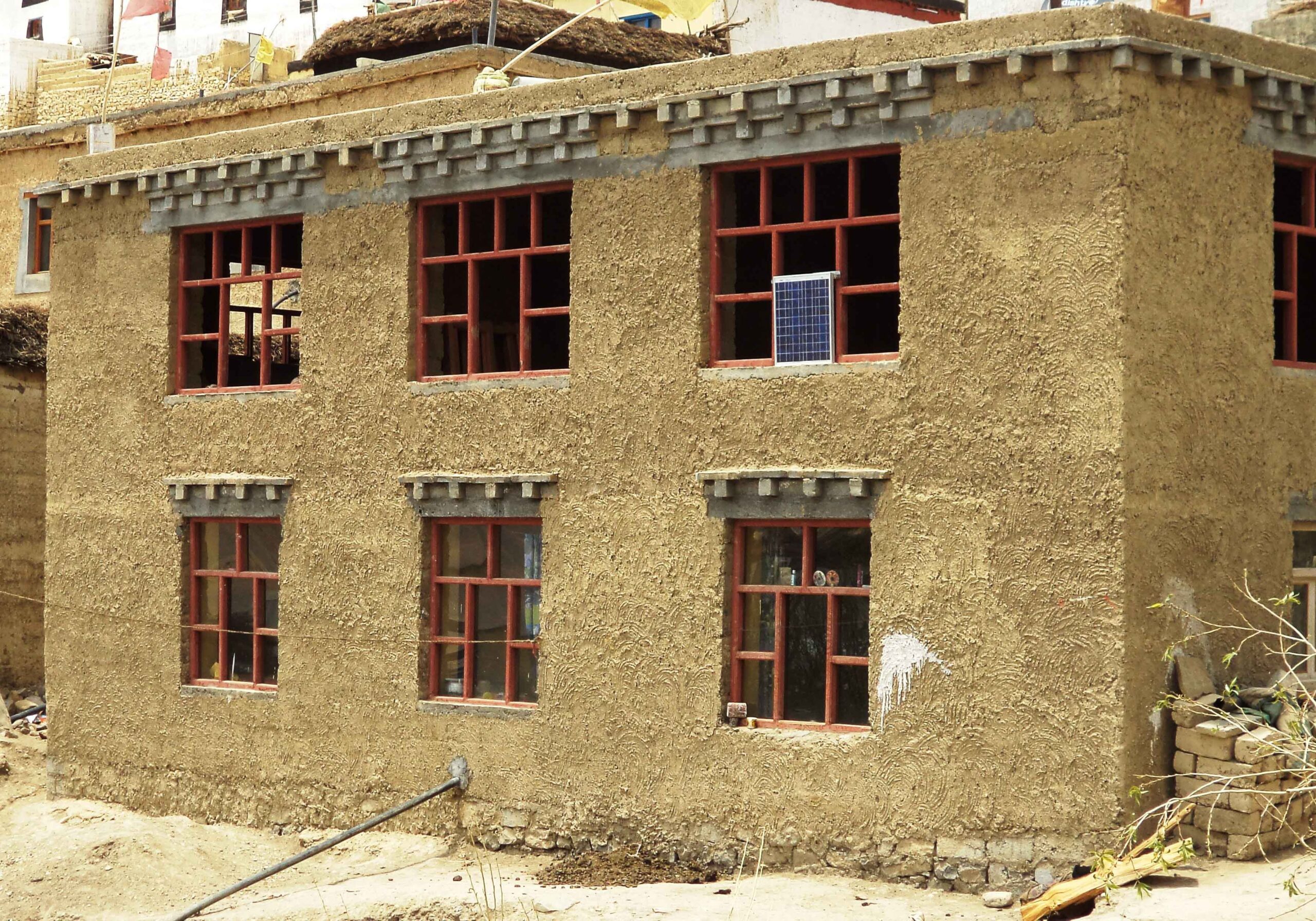
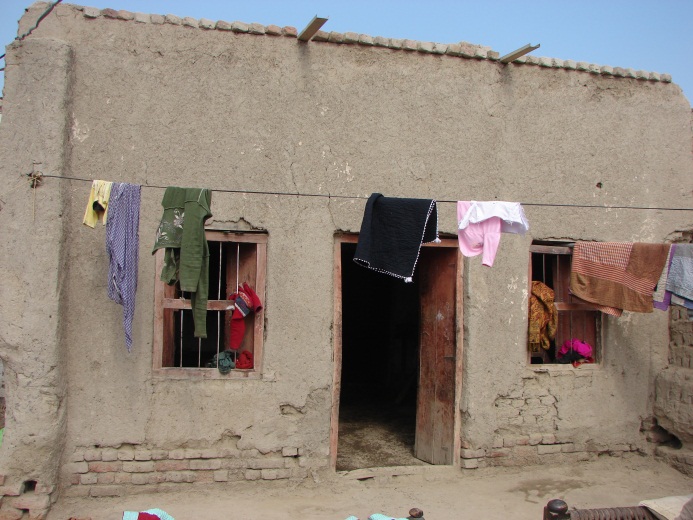
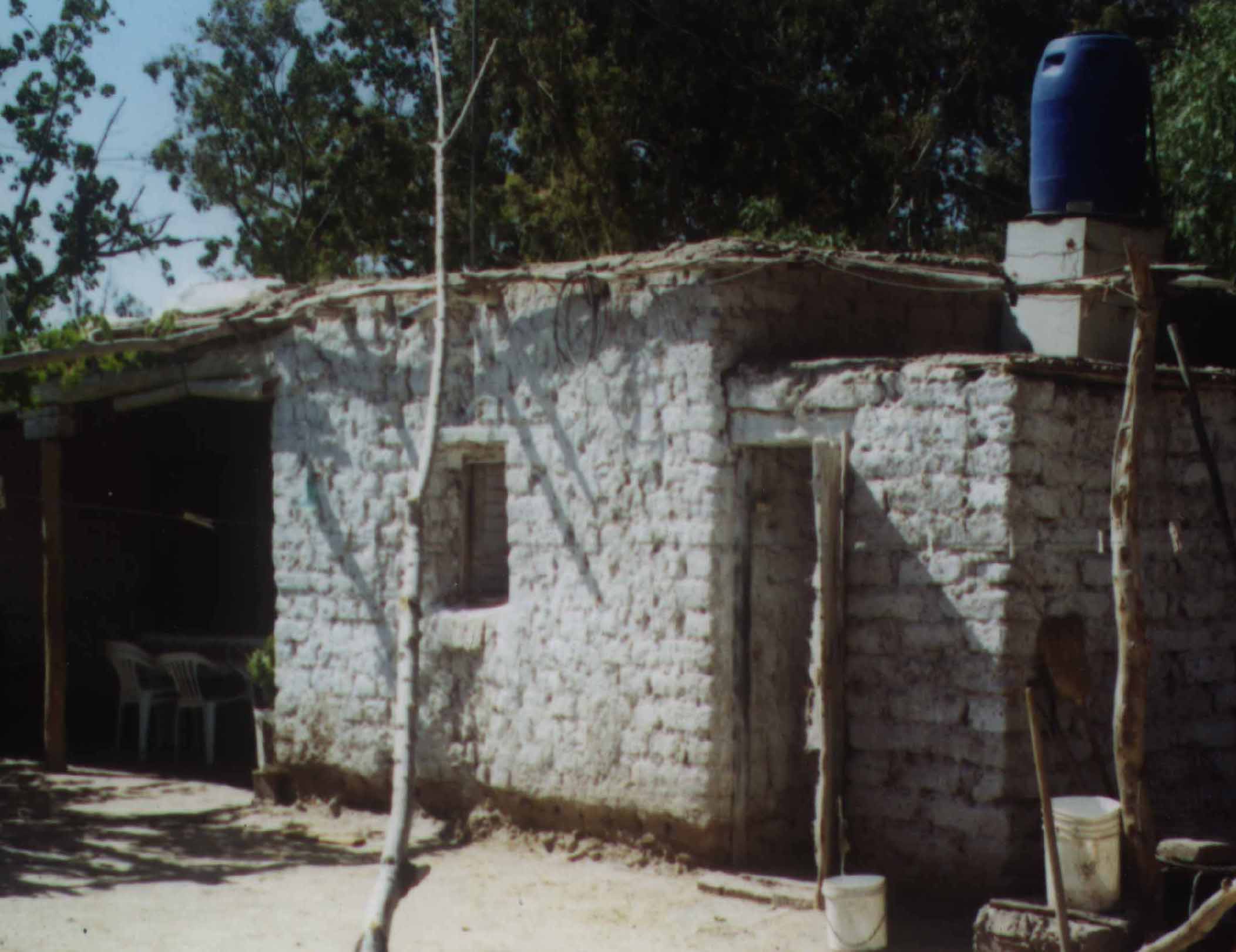
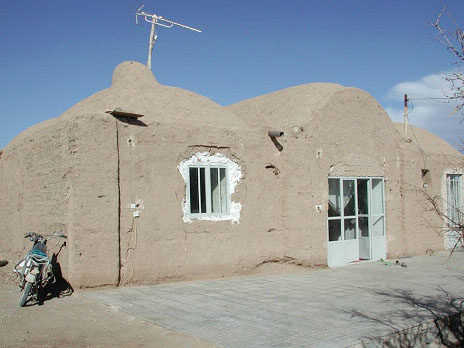
This construction type is used as a single-family house. It is a single-story, detached building, found in the rural and suburban areas of the province of San Juan. This traditional type of construction is built with adobe walls and no cornice. The traditional adobe house has a range of deficiencies: weak connections, heavy roofs, adobe blocks that deteriorate (especially at the base of the walls) due to prolonged exposure to humidity. This housing type is expected to perform poorly in earthquakes.
Click HERE for an introduction to adobe/earthen construction.
Report # 89 : Traditional adobe house without seismic features
Report # 104 : Adobe House
by Mehrdad Mehrain, Farzad Naeim
This building type is typically one or two stories and used for single-family housing. It is more predominant in the desert, in cold-weather, or other inhospitable climates. It has a large mass and basically no strength, particularly against out-of-plane wall forces. These buildings are the most seismically vulnerable. In the 2003 Bam earthquake, collapse of these buildings was widespread and contributed to many of the 43,000+ deaths. The typical mode of collapse is out-of-plane failure of the walls, resulting in loss of support for the roof. Adobe construction is widespread throughout Iran, and is used both by wealthy families in luxury residences, as well as by poor families in more modest dwellings.
Report # 42 : Houses with mud walls and thatch roofs
by Svetlana Uranova, Ulugbek T. Begaliev
This building type is widespread in the rural areas of Kyrgyzstan, and also in some urban areas. It is a non-engineered construction. Due to its low cost, it is mainly used by poor people. Various building materials are used for this type of construction, e.g., clay and straw for the walls, wood for the roof structure, and stone for the foundations. In order to achieve adequate flexibility or plasticity, a small amount of clay is mixed with water. Straw is added to achieve an improved consistency. Small panel boards are used as formwork for casting mud walls. The walls are cast in lifts; a new lift is cast after the previous one has set. Windows and doors have wood lintels. Floors are made out of wood planks. Buildings of this type do not have any earthquake-resistant features and are considered to be highly vulnerable to seismic effects.
Report # 144 : Vivienda de Adobe (adobe brick houses)
by Dominik Lang, Lisa Holliday, Omar G. Flores Beleton
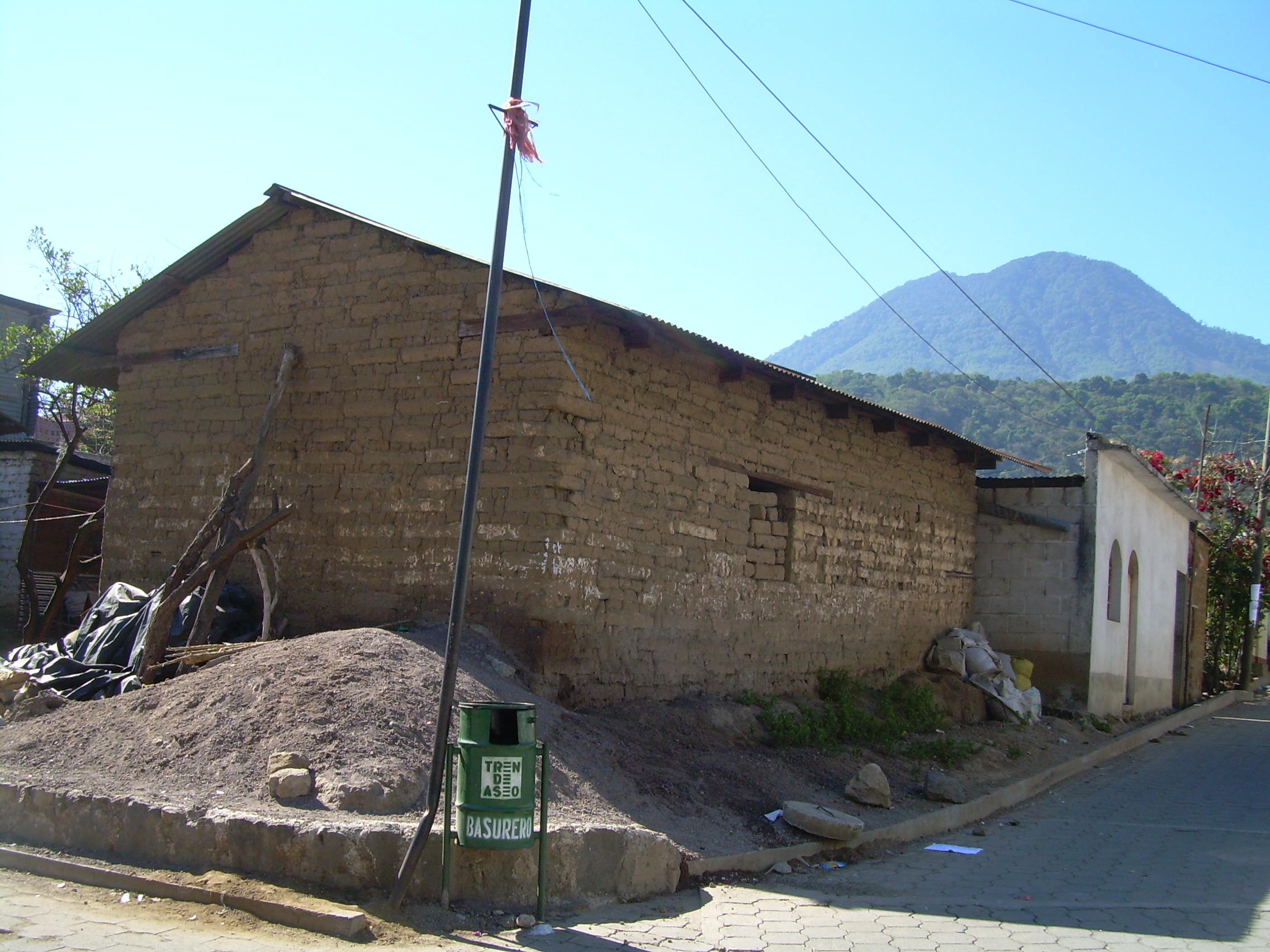
Buildings made of adobe brick masonry can still be found in all parts of Guatemala both in rural and urban areas. Generally adobe houses are characterized by only one story, no basement, and sometimes an irregular plan shape. The main use is residential or small commercial (retail trade) purposes. In the 1970′s adobe buildings represented the prevalent construction type in the Republic of Guatemala with a share of more than 39 %. More than half of these buildings (54.3 %) were located in rural settlements, while the rest (45.7 %) was located in urban areas, e.g. Guatemala City (Marroquin and Gándara, 1976). Surprisingly, the percentage of adobe buildings at that time was higher in urban areas than in rural regions. Today, circumstances have changed and adobe structures prevail in rural areas while only remainders of this traditional construction technique can be found in the cities. Based on a more recent statistical survey in the municipality of Guatemala City conducted by ASIES (2003), around 4 % of the building stock is either adobe or bahareque buildings. The latter not being covered in the present report. Throughout the report, a distinction is made between adobe buildings in rural (Figure 1) and urban (Figure 2) areas. This distinction affects some of the building parameters and features herein.
Report # 143 : Mud House of Bangladesh
by Amrita Das, Mohammad Shariful Islam, Dr. Md. Jahangir Alam, Nusrat Hoque
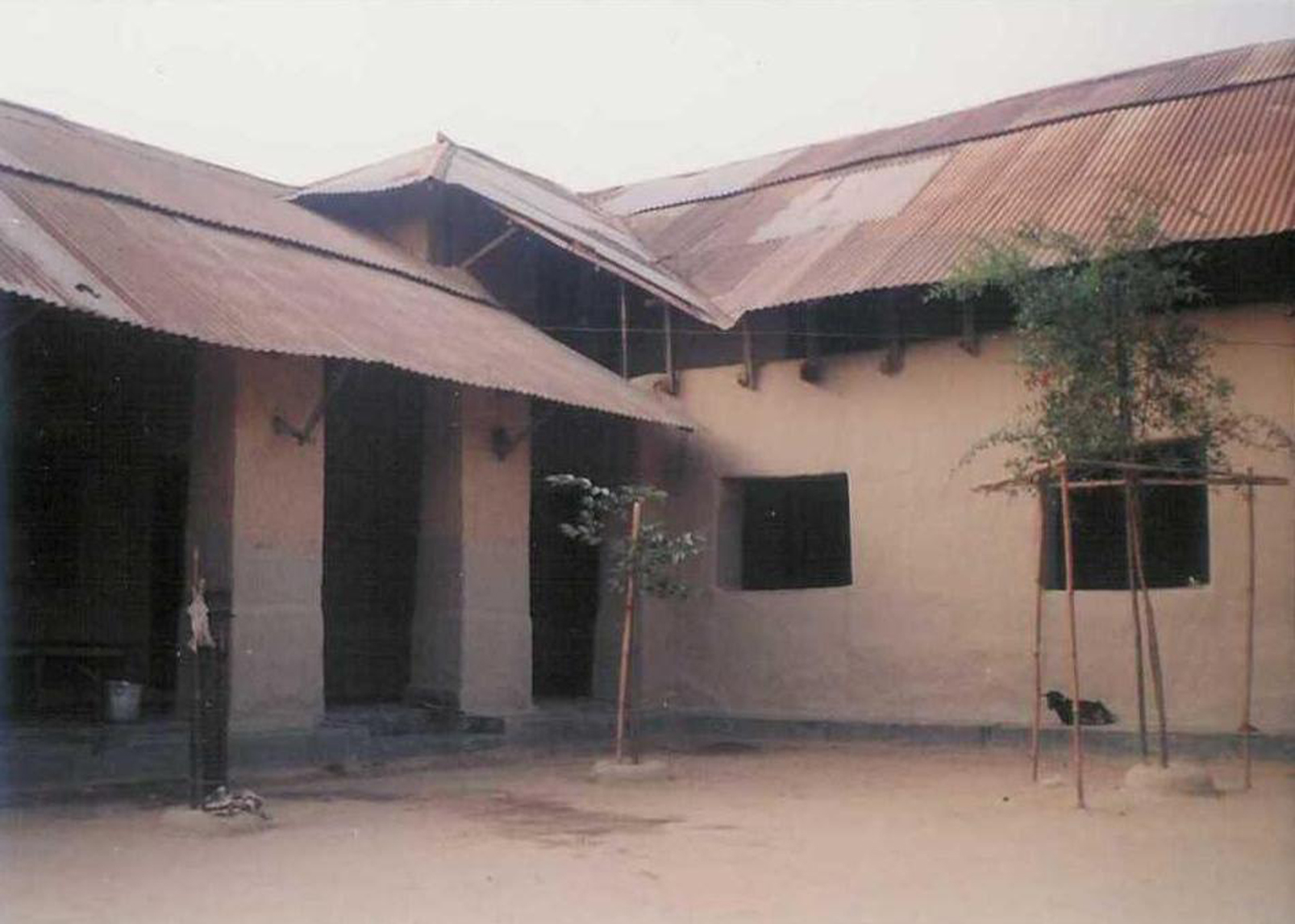
In Bangladesh, a mud house is one of the traditional housing types that are used by poor families mainly in rural areas as well as in the outskirts of small cities. This building type is typically one or two stories and preferably used for single-family housing. It is more predominant in less flood-prone areas, i.e. in the highlands or in mountainous regions. The masses of these buildings are generally high and their walls are characterized by insignificant strength, particularly against forces that act out-of-plane. This type of building is highly vulnerable to both seismic forces and high pressures due to flood flow. The main load bearing system consists of mud walls of 1.5 to 3.0 ft thickness, which carry the roof load. Clay tiles, thatch or CI sheets are used as roofing materials. The application of these materials depends on their local availability and the ability of the house owners. There is no monolithic joint between the wall and the roof. For this reason, these buildings behave poorly under any type of lateral load (e.g. earthquake, wind).
Report # 137 : Adobe walls supporting rough timber framed roof with corrugated iron sheeting.
by Matthew A. French
The plan of this adobe building is a simple rectangle with three rooms. Adobe as a material is very weak under seismic loads, which is the main issue which concerns this building type. Also, the roof does not have sufficent eaves to protect the adobe walls, which has resulted in the dislodging of the exterior plaster. This has erroded the walls, further reducing their structural strength. Adobe is commonly used in Nicaragua, as it is both affordable and accessible, but it is being replaced by more ‘modern’ materials, such as concrete block and red fired brick.
Report # 136 : Adobe with sawn timber roof framing and corrugated iron sheeting
by Matthew A. French
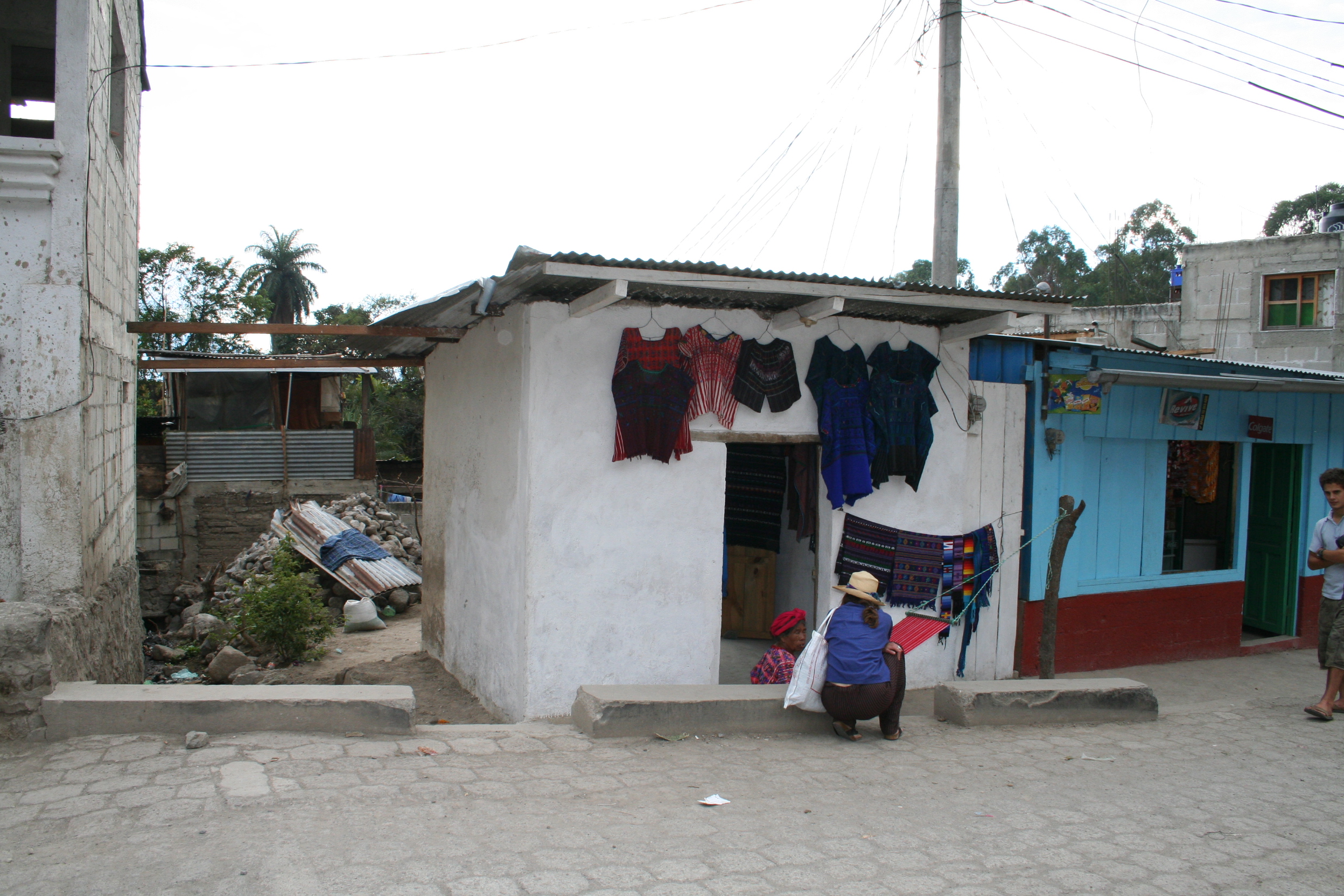
This very small building doubles as a home and workplace. The homeowner weaves products such as hats, clothes and mats for a living. The building functions as a showroom for her products by the day and as her house for rest at night. Three months before the site visit, the house was washed away by Hurricane Stan that hit the Central American region. Massive rainfall led to landslides in the Lago Antilian area, where the site is located. Her house was destroyed and this is the new one constructed. This case study is characteristic of new adobe construction in the Guatemala today. Timber dowels at the top brick course help to secure the ring beam or timber roof framing to the walls. For economic reasons, the roof is corrugated iron, but the long-term plan is to place clay tiles directly over top for their thermal and aesthetic properties. This case study is testament to the trying and tenuous living conditions which the occupants face. It demonstrates that even though un-reinforced adobe fails, many have no option but to replace it with structurally fragile adobe once more.
Report # 134 : Adobe with timber and clay tile roof
by Matthew A. French
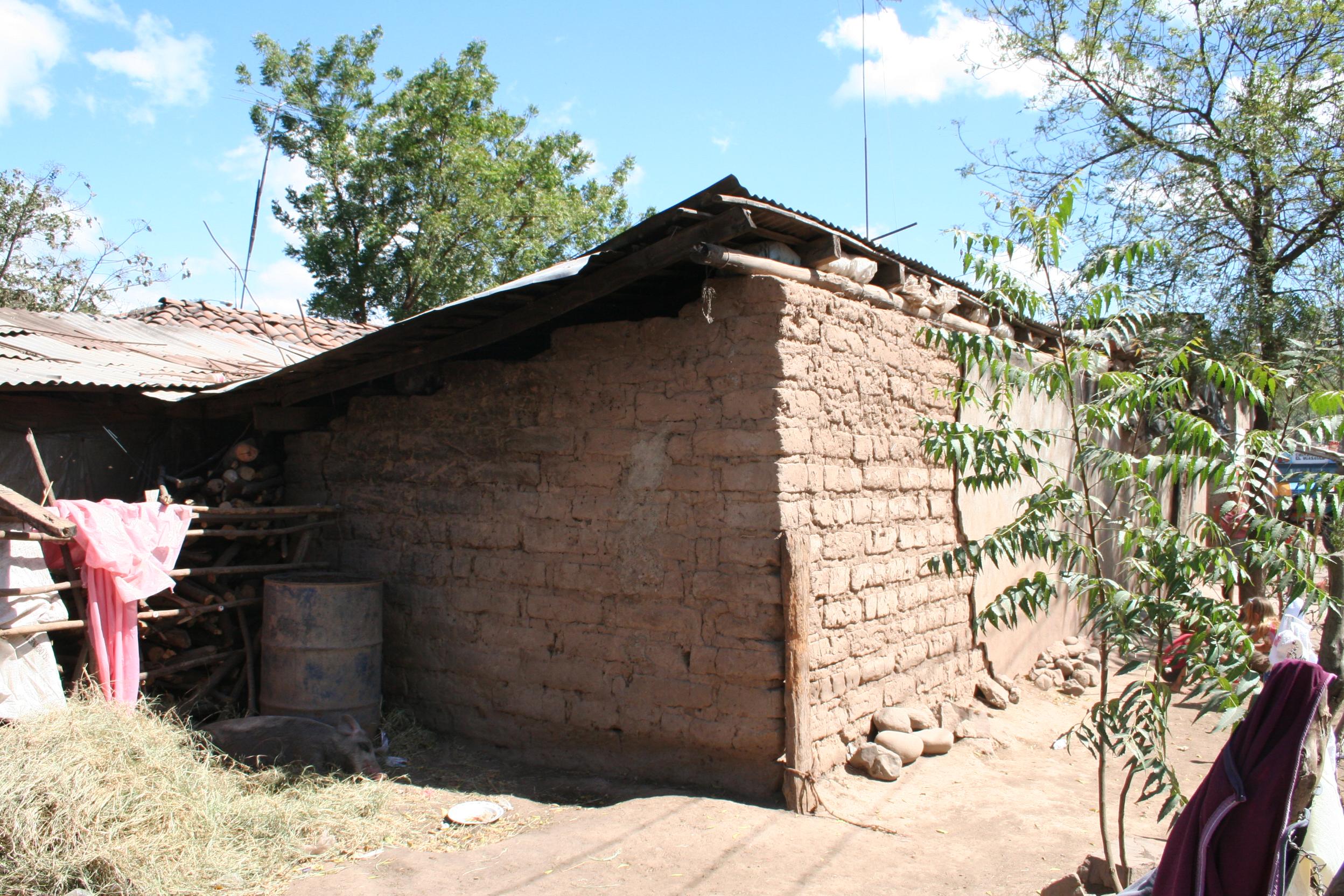
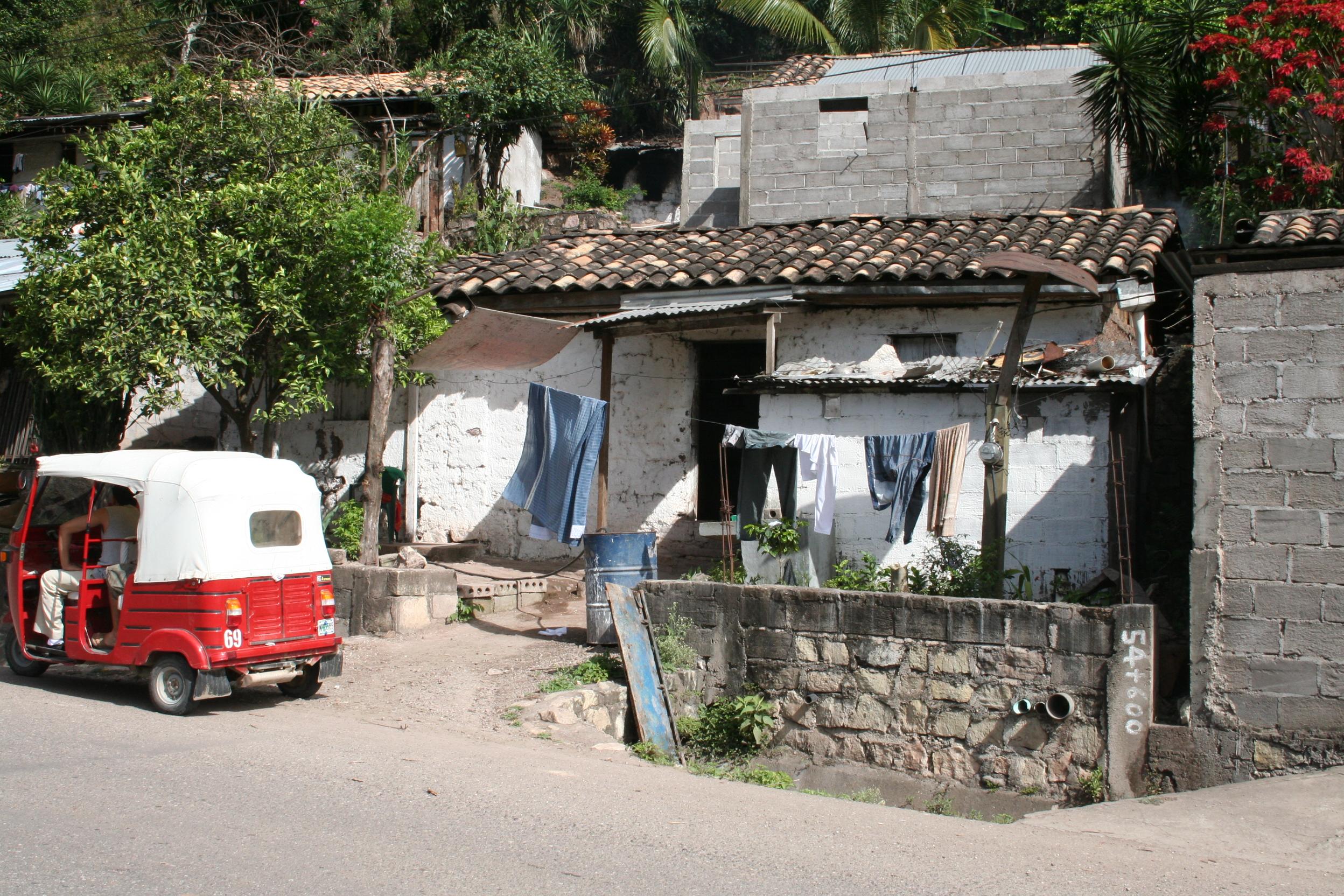
Adobe is commonly used in Honduras predominantly in rural areas in the western regions. The performance of adobe buildings in seismic events has been very poor, but for many rural poor in Honduras, there is no other option but to use this construction method. The building has a simple plan with three rooms of equal size. The roof is sawn timber with clay tiles
Report # 107 : Reinforced Adobe
by Daniel Quiun
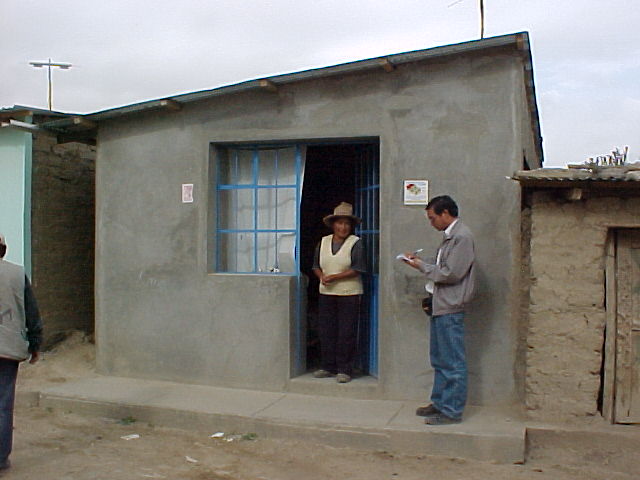
This is a reinforcement system for existing adobe houses, as well as an adaptation for new adobe houses, with the objective to prevent their collapse under severe earthquakes. An extensive experimental research project was developed between 1994 and 1999, with the financial support of GTZ of Germany, the administration of CERESIS, and the execution of the Catholic University of Peru (PUCP). Several reinforcement techniques were studied, and it was concluded that the most appropriate was to reinforce the walls with horizontal and vertical strips of wire mesh electrically welded, covered with mortar. The technique was applied in 1998 as pilot projects in 20 houses in 6 cities in Peru. Later in 1999-2000 it was extended to Chile, Bolivia, Ecuador and Venezuela. We had to wait for an earthquake to assess the effectiveness of the reinforcement. In the earthquake of June 23, 2001 (Mw=8.4), that affected the south of Peru, six reinforced adobe houses had no damage. Neighboring dwellings of unreinforced adobe suffered heavy damage or collapsed. This success motivated several reconstruction programs of new reinforced adobe houses in the Andean zone, in which the technique was improved and applied in more than 500 houses, which are described herein. Shaking table tests on the system used in the new houses at the Structures Laboratory of PUCP demonstrated that the reinforcement provided is effective for resisting severe earthquakes without collapse. The August 15, 2007 Pisco earthquake (Mw8.0), 200 km south of Lima, also provoked the collapse of many traditional adobe houses. In Ica province, 5 houses were reinforced in 1998 using the wire mesh strips, and all withstand the earthquake undamaged.
Report # 72 : Traditional rural house in Kutch region of India (bhonga)
by Madhusudan Choudhary, Kishor S. Jaiswal, Ravi Sinha
The Bhonga is a traditional construction type in the Kutch district of the Gujarat state in India, which has a very high earthquake risk. A Bhonga consists of a single cylindrically shaped room. The Bhonga has a conical roof supported by cylindrical walls. Bhonga construction has existed for several hundred years. This type of house is quite durable and appropriate for prevalent desert conditions. Due to its robustness against natural hazards as well as its pleasant aesthetics, this housing is also known as “Architecture without Architects.” It performed very well in the recent M7.6 Bhuj earthquake in 2001. Very few Bhongas experienced significant damage in the epicentral region, and the damage that did occur can be mainly attributed to poor quality of the construction materials or improper maintenance of the structure. It has also been observed that the failure of Bhongas in the last earthquake caused very few injuries to the occupants due to the type of collapse.